
Spinal Cord Stimulation: A Plain-English Patient Guide
Spinal cord stimulation has moved out of last-resort territory and into the mainstream of pain management. If your doctor has mentioned it, here is what is actually involved — written in plain language for patients deciding whether to move forward.
What spinal cord stimulation actually does
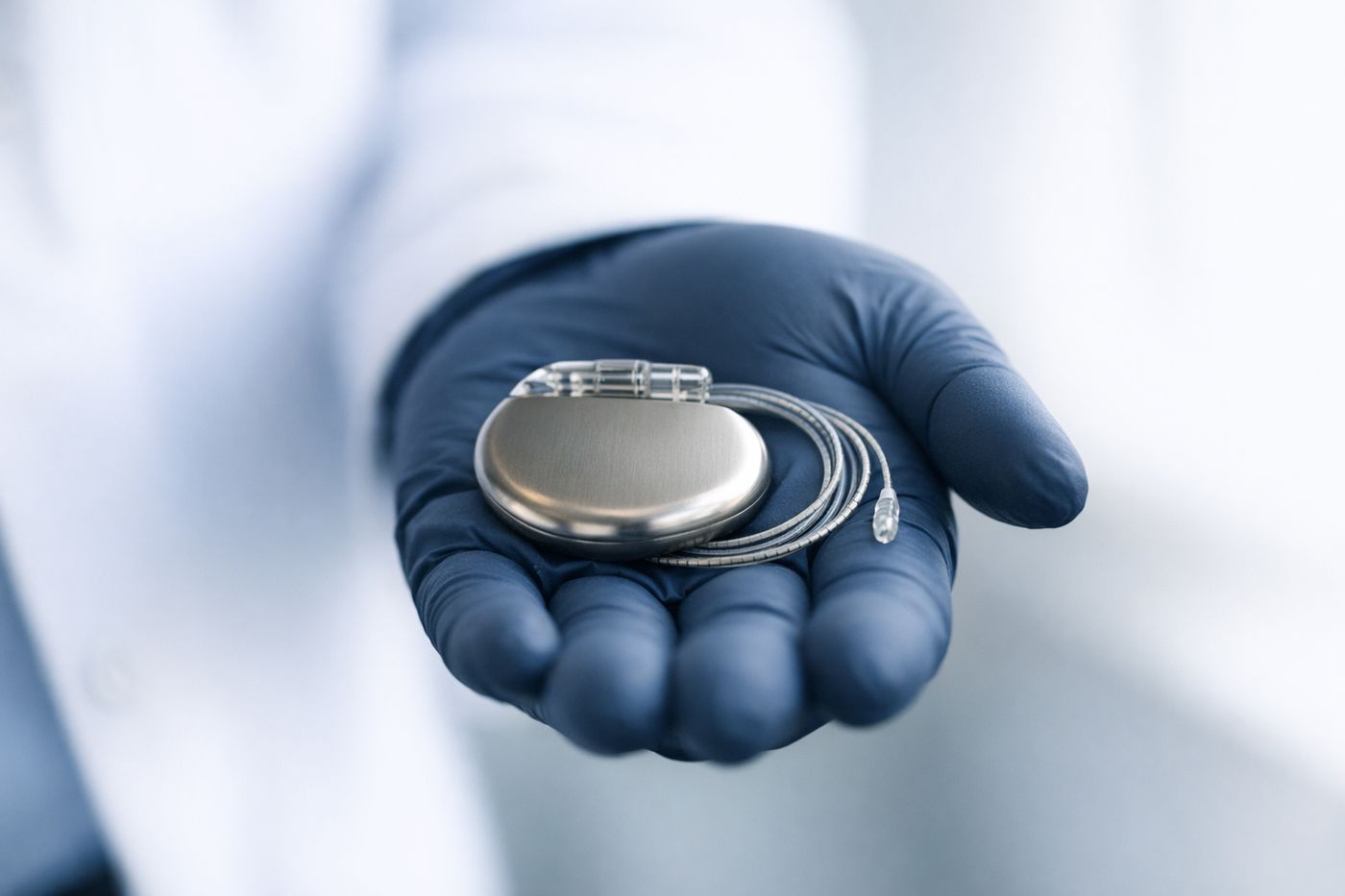
A spinal cord stimulator is a small device, similar in size to a cardiac pacemaker, that sends mild electrical pulses to nerves in the spinal cord. Those pulses change how the body processes pain signals before they reach the brain. The result is not numbness or sedation. Most patients describe it as the underlying pain becoming quieter, less sharp, less constant.
This matters because chronic pain is rarely a problem of tissue damage alone. After months or years of unrelenting signaling, the nervous system itself becomes part of the problem — sensitized, over-responsive, sometimes generating pain on its own. Stimulation works at that level rather than at the original injury site.
Who tends to benefit most
Spinal cord stimulation has the strongest evidence in three groups. First, patients with persistent leg or back pain after one or more spine surgeries — what is sometimes called failed back surgery syndrome. Second, patients with complex regional pain syndrome (CRPS), where stimulation can produce dramatic improvement in cases that have not responded to anything else. Third, patients with diabetic peripheral neuropathy, particularly painful neuropathy in the feet, where newer high-frequency stimulation has shown meaningful pain reduction in clinical trials.
It is less commonly used as a first-line treatment. Most patients reach this point only after trying conservative options like physical therapy, oral medications, injections, and in some cases surgery.
The two-step process: trial first, implant second
One of the things that makes stimulation different from most pain procedures is that you get to test-drive it before committing. The trial is an outpatient procedure where thin lead wires are placed through the skin into the epidural space, connected to a small external pulse generator that you wear on a belt for about a week.
During that week, you live your life — work, sleep, drive short distances, walk the dog — and track how the stimulation affects your pain. The bar most pain physicians use is at least 50 percent pain reduction during the trial. If you hit that, the permanent implant is a reasonable next step. If you do not, no permanent device is placed and you walk away with no surgery, no implant, and useful information about your nervous system.
What permanent implant looks like
The permanent procedure is also outpatient. A pulse generator about the size of a pocket watch is placed under the skin, usually in the upper buttock or flank, and connected to leads that run under the skin to the epidural space. The generator is rechargeable in most newer systems — you place a charging pad over the skin every few days — and is controlled by a small remote that lets you adjust intensity, switch programs, and turn the device on or off.
Recovery is faster than most spine surgeries. Most patients are back to light activity in two weeks and full activity in six to eight weeks. The most common limitation early on is movement that could shift the leads before they scar in place — heavy lifting, twisting, deep bending.
The honest downsides
Stimulators are not perfect. Roughly 10 to 15 percent of patients who do well in the trial do not maintain that benefit a year out. Lead migration — where the wire shifts and the stimulation pattern changes — happens in a minority of cases and may require revision. Battery replacement is needed every 5 to 10 years for non-rechargeable systems, less often for rechargeable. And while infection rates are low (around 1 to 4 percent), they are not zero, and infection of an implanted device is a serious problem when it does happen.
You also need to know about MRI compatibility. Older stimulators were not MRI safe. Most current systems are conditionally MRI compatible, meaning you can have most MRI scans with specific protocols, but not all. If you have ongoing imaging needs for another condition, raise this with your pain physician early.
Insurance, lien cases, and the paperwork
Stimulation is well-covered by Medicare, most commercial insurance, and workers' compensation, but every plan requires documentation: history of conservative treatments tried, response to those treatments, the trial result, and a psychological evaluation in most cases. The psych eval is not a hurdle — it is a screening for conditions like untreated depression or active substance use that can affect outcomes — and most patients pass without issue.
For lien-based cases (personal injury, third-party claims), stimulation can be performed under a medical lien with the device cost worked into the settlement. We handle the documentation directly with the attorney. The patient does not pay out of pocket while the case is active.
Questions worth asking before you decide
If you are considering stimulation, three questions tend to matter most. First, what is the realistic improvement you should expect, given your specific pain pattern? Second, what would it cost — to your daily life, your work, your medications — if the trial does not work? Third, what is the next option if stimulation is not the right fit?
The answers depend on your case. The point of the consultation is to match the procedure to the patient, not the other way around. If a clinic recommends stimulation in the first 15 minutes of meeting you, that is a reason to get a second opinion.