How a spinal cord stimulation trial period helps you and your care team decide
The spinal cord stimulation trial period is a short, reversible test that lets you experience the therapy before any permanent device is considered. It is designed to answer one practical question: does neurostimulation meaningfully reduce your pain and improve your daily function? Because the trial is temporary, it gives both you and your care team real information rather than an estimate.
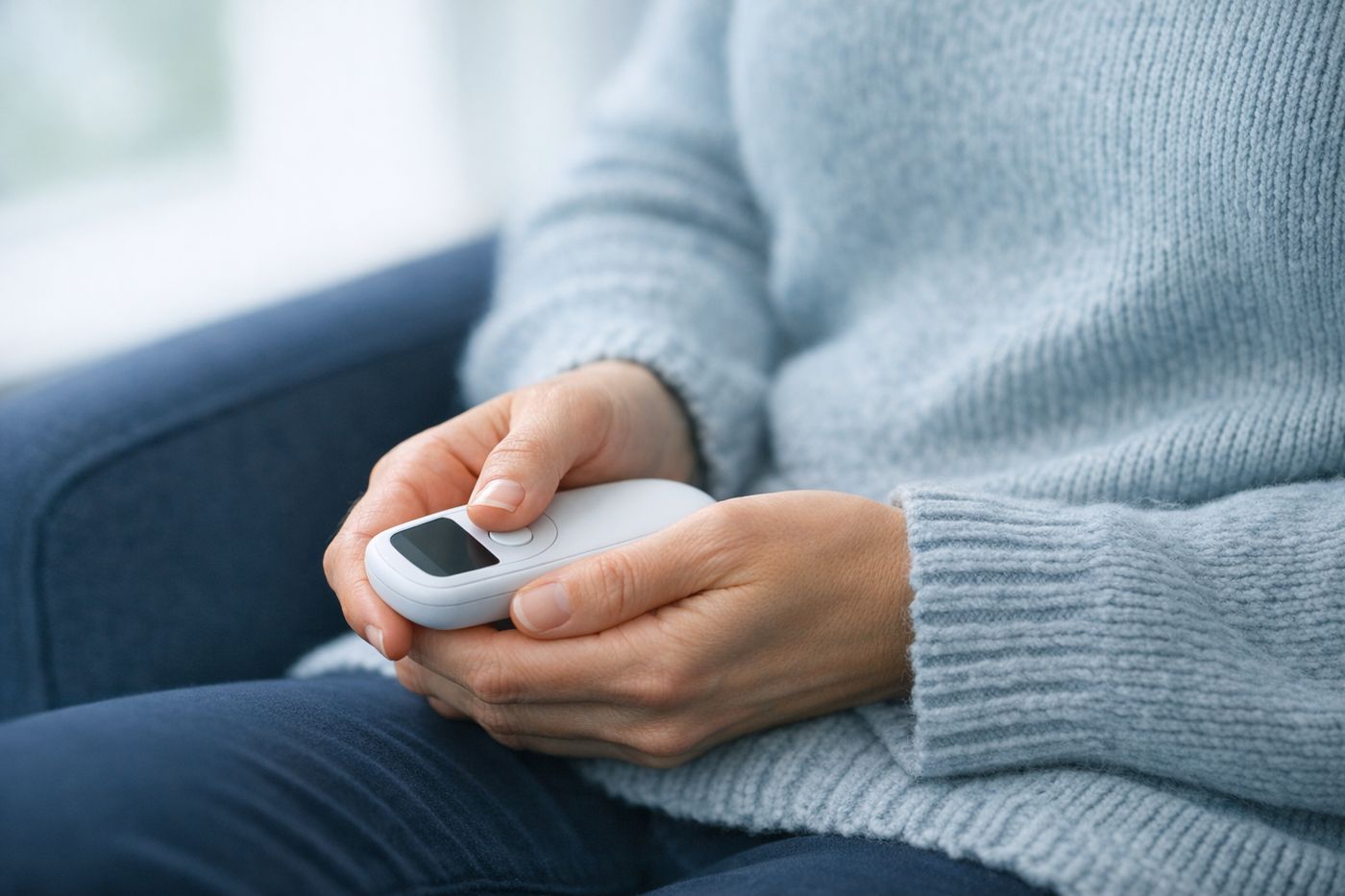
During the trial, thin leads are placed near the spinal cord through a needle, without surgical incisions. The leads connect to a small external generator you wear outside the body, usually clipped to a belt or waistband. Over several days, typically five to seven, you go about ordinary activities at home and keep track of how the stimulation affects your comfort, sleep, and movement.
The purpose of this window is observation, not commitment. Providers generally look for a clear, sustained reduction in pain and a noticeable gain in the things you want to do again, such as walking further, sitting through a meal, or resting without interruption. Patients who respond well during the trial often go on to discuss a permanent implant. Those who do not respond can have the temporary leads removed easily, with no lasting change to the spine.
What you track and what your care team measures
You will be asked to keep a simple daily log. Useful notes include your pain level at different times, which positions or tasks feel better, how well you slept, and whether you reduced any activity limits you had before. This record matters because it captures your lived experience, which no scan can show.
Your care team reviews that log alongside functional markers they can observe. Together, these form the basis of a shared decision. The trial is deliberately structured so the choice is grounded in evidence you both can see, rather than expectation alone.
- Keep the trial site clean and dry, and avoid bending or twisting that could shift the leads.
- Note changes in pain honestly, including times the stimulation helped less.
- Report any new numbness, weakness, fever, or drainage to your care team promptly.
- Bring your daily log to the follow-up visit so decisions rest on complete information.
A trial that does not deliver strong relief is still a useful result. It steers the conversation toward other options and spares you an implant that would not have served you. That is the value of testing first: the decision, either way, is informed.
This page is informational and is not medical advice. Treatment options should always be made in consultation with a qualified physician.