
Balloon Kyphoplasty: A Patient Guide to Vertebral Compression Fracture Care
A vertebral compression fracture can turn ordinary movement into a daily problem. Standing up from a chair, reaching for a coffee mug, or rolling over in bed becomes a sharp, localized event. For patients whose pain has not settled with several weeks of conservative care, balloon kyphoplasty is one of the procedures clinical teams may discuss during consultation. This guide walks through what the procedure involves, who tends to be a candidate, and the questions worth bringing to an evaluation.
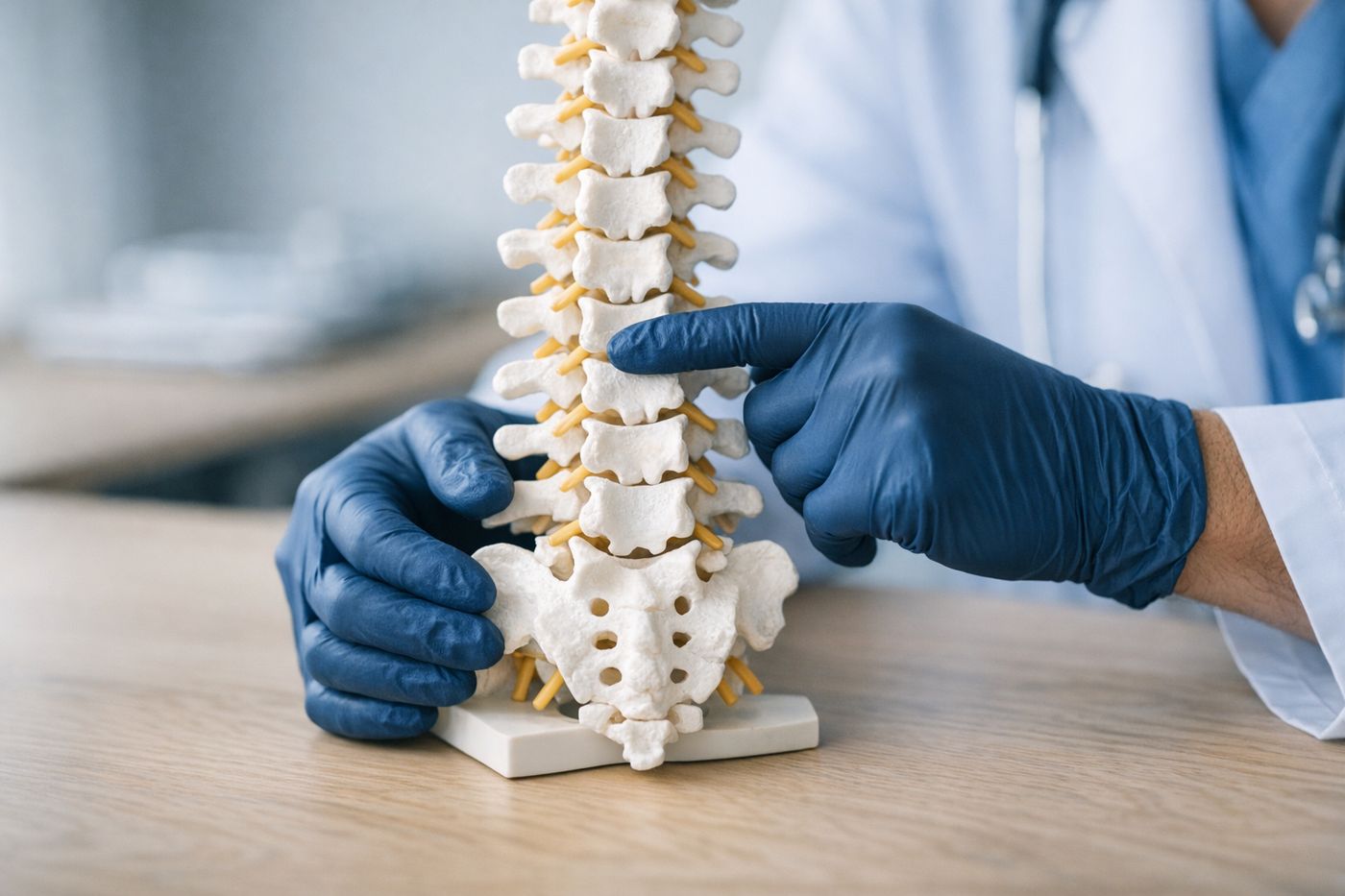
Vertebral compression fractures most often involve the thoracic or upper lumbar spine, where a weakened vertebral body loses height under load. The cause is usually a combination of bone fragility and a minor mechanical event: a fall from standing height, a hard cough, lifting a grocery bag, or simply bending forward. Patients frequently describe a sudden, midline back pain that worsens with sitting up or weight-bearing and eases when lying flat. Imaging, typically an MRI or a CT in select cases, confirms the fracture and helps the clinical team estimate how recent the injury is. Acute or subacute fractures with bone marrow edema on MRI are the ones most often considered for kyphoplasty.
Conservative care comes first. For most patients, that means a period of activity modification, oral analgesics appropriate to their overall health profile, sometimes a brace, and attention to the underlying bone health picture. Many fractures heal with this approach over six to twelve weeks. When pain remains disabling, when fracture height continues to collapse on follow-up imaging, or when the patient cannot tolerate the immobility that conservative care requires, the conversation often shifts toward a minimally invasive intervention.
How balloon kyphoplasty differs from older vertebral augmentation techniques
Balloon kyphoplasty is a percutaneous procedure performed under image guidance. A small cannula is advanced into the fractured vertebral body, an inflatable balloon tamp is positioned inside the bone, and the balloon is gradually expanded. The expansion creates a cavity and, in many cases, recovers a portion of the lost vertebral height. The balloon is then deflated and removed, and the cavity is filled with bone cement, which hardens within minutes. The cavity-creation step is the key difference from earlier vertebroplasty technique, where cement was injected directly into the trabecular bone. The cavity allows the cement to be placed at lower pressure, which is one of the reasons the clinical team considers it for selected fractures.
Patients commonly ask whether the procedure restores the spine to its original shape. The honest answer is partial. Height recovery depends on how recent the fracture is, the pattern of collapse, and the surrounding bone quality. Older fractures, where the bone has already begun to consolidate, often gain little height even when pain improves. The goal is mechanical stabilization and pain reduction, not cosmetic correction.
A typical procedure runs under an hour for a single level. Anesthesia may be local with sedation or general, depending on patient factors and the operating physician's judgment. Most patients are discharged the same day or after a short overnight observation, with a follow-up appointment scheduled within one to two weeks.
Candidacy, recovery expectations, and what to discuss during consultation
Not every compression fracture is appropriate for kyphoplasty. The clinical team evaluates fracture age, pain pattern, response to conservative care, overall medical status, and bone density. Fractures involving the posterior vertebral wall, fractures with retropulsed bone fragments near the spinal canal, and certain tumor-related fractures require additional imaging review and may change the surgical plan. Patients with active infection, uncorrected coagulopathy, or specific allergies to the materials used will be steered toward alternatives.
Recovery is generally faster than patients expect, but pacing matters. Many patients notice meaningful pain reduction within the first few days, though some experience a transient soreness at the cannula entry point that can last a week. Walking is encouraged early. Heavy lifting, repetitive bending, and high-impact activity are restricted for several weeks while the cement integrates with the surrounding bone and the body adjusts to the stabilized segment. Patients who respond well typically return to their prior activity level within four to six weeks, although individual recovery varies considerably.
The conversation should not end at the fracture. A compression fracture in an adult, especially a first one after age fifty, is often a signal that the underlying bone health picture deserves attention. The clinical team will typically coordinate with the patient's primary care physician or an endocrinologist on bone density testing and a long-term plan to reduce future fracture risk. Addressing this part of the picture is as important as treating the current fracture, because the strongest predictor of a future vertebral fracture is a prior one.
Useful questions to bring to a consultation include: How recent does my fracture appear on imaging, and does that affect candidacy? What does my pain trajectory tell us about whether to wait or to proceed? What anesthesia approach is being recommended, and why? What are the realistic expectations for height recovery and pain relief in my specific case? What is the plan for evaluating bone health after the procedure? Bringing these questions in writing helps the consultation cover the ground that matters to you, not only the ground that comes up routinely.
This article is informational and is not medical advice. Treatment options for vertebral compression fractures should always be made in consultation with a qualified physician.